
GROUP SHOW
HUMANSCALE
KÖNIG GALERIE | SCULPTURE GARDEN
ALEXANDRINENSTRASSE 118–121, 10969 BERLIN
KÖNIG GALERIE is pleased to present the group exhibition HUMANSCALE in the sculpture garden of St. Agnes. Bringing together artists from different generations and disciplines, the exhibition explores the human figure as a point of departure for reflections on form and volume, presence and absence, art history, and the contemporary image. The works on view challenge conventional definitions of sculpture and expand the boundaries of how the body can be understood and represented.
© Photo KÖNIG GALERIE
The exhibition can be visited exclusively as part of the Art & Architecture Guided Tour, during which visitors can learn more about the participating artists and works. Further information and guided tour tickets are available here. For larger groups please contact info@koeniggalerie.com. 
© Photo KÖNIG GALERIE
For more than four decades, Erwin Wurm has consistently subverted traditional ideas of sculpture through the use of unconventional materials and subjects. Everyday objects—from pickles and bread rolls to luxury handbags and hot-water bottles—acquire arms and legs, becoming absurd anthropomorphic figures. In one of his recent series, comic-style speech bubbles are transformed into three-dimensional forms with distinctly human characteristics.
© Photo KÖNIG GALERIE
Julian Opie likewise engages with the human figure, reducing it to its most essential lines. Through this radical simplicity, his sculptures attain a remarkable sense of lightness and clarity, further amplified by the lush vegetation of the sculpture garden.
© Photo Roman März
The artistic language of Kris Martin is similarly minimal, though focused less on visual reduction than on narrative openness. Working with ordinary objects charged with cultural and historical associations, he removes them from their familiar contexts, allowing for multiple interpretations rather than imposing a fixed meaning. In the exhibition, Martin presents the marble sculpture Throne, in which the traditional symbol of power is reduced to the scale of a child’s chair. The absent human body raises questions about authority and who ultimately holds it.
© Image KÖNIG GALERIE
The Modified Social Benches of Jeppe Hein relate less to the human figure itself than to the human as a social being. Their distorted forms invite visitors not only to sit, but also to engage playfully with one another and reconsider modes of interaction in public space.
© Photo Roman März
The question of the social—of how we connect with and live alongside others—is also central to another series of works by Jeppe Hein presented in the exhibition. In a large-scale installation dispersed throughout the garden, he presents his latest balloon sculptures of penguins. They become metaphors for the human desire for community and closeness. At the same time, penguins are among the most vulnerable creatures, increasingly affected by human activity and global warming. Their presence in the garden thus brings together ideas of togetherness and vulnerability, reflecting on both our need for connection and the fragility of the world we share.
© Photo Roman März
In his work Endless Endless, Johannes Wohnseifer approaches the human figure through scale, enlarging a traffic cone to human height. Wohnseifer is interested in the visual sign and the authority such an everyday object can project. He translates the form of a traffic cone into highly polished aluminum surface in which viewers encounter their own reflections.
© Photo Roman März
Japanese artist Ayako Rokkaku is best known for her paintings, created directly with her fingers, in which fantastical abstract landscapes merge with manga-like figures. The sculpture included in the exhibition translates the tactile quality of her painterly practice into three dimensions through bronze casting.
© Photos KÖNIG GALERIE
Wackelpeter is a well-known monumental bronze sculpture by German artist Karl Horst Hödicke. Created in 1979, the work depicts a stylized wobbling figure that moves humorously between painting and sculpture, balancing monumentality with playfulness.
© Photo Roman März
Another key position in the exhibition—and a seminal figure in postwar German sculpture, particularly in relation to the representation of the human body—is Stephan Balkenhol. Over the years, Balkenhol has developed his iconic figure of the man in a white shirt and black trousers. His characters are at once familiar and enigmatic, anonymous yet universal, classical yet unmistakably contemporary—reflecting the condition of the individual today.
© Photo KÖNIG GALERIE
Sven Drühl presents a bronze sculpture from his Dark series, which is based on real mountains generated from geodata. By manipulating the Z-axis, Drühl transforms these geological forms into landscapes that seem to belong to science-fiction and fantasy worlds, while retaining their foundation in reality. For Drühl, sculpture becomes an extension of painting into space, translating the pictorial language of his two-dimensional works into a physical, spatial form.
© Photo Roman März
EXHIBITED WORKS


Ayako Rokkaku
Untitled


Johannes Wohnseifer
Endless Endless


Jeppe Hein
Modified Social Bench #38


Jeppe Hein
Modified Social Bench D


Stephan Balkenhol
Engelmann


Sven Drühl
Shivling Eroded


Jeppe Hein
Inti (Quechua: Sun)


Jeppe Hein
Moana (Māori: Ocean)


Jeppe Hein
Lueji (Lunda: Queen)


Julian Opie
Jiwon.


Kris Martin
Throne

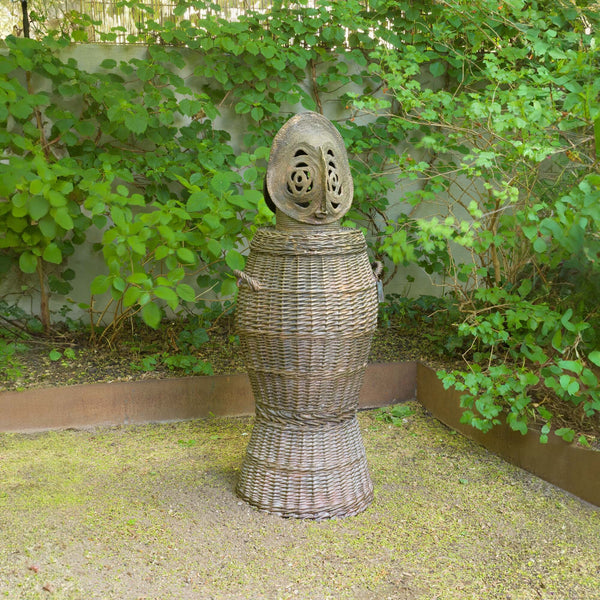
Karl Horst Hödicke
Drumm

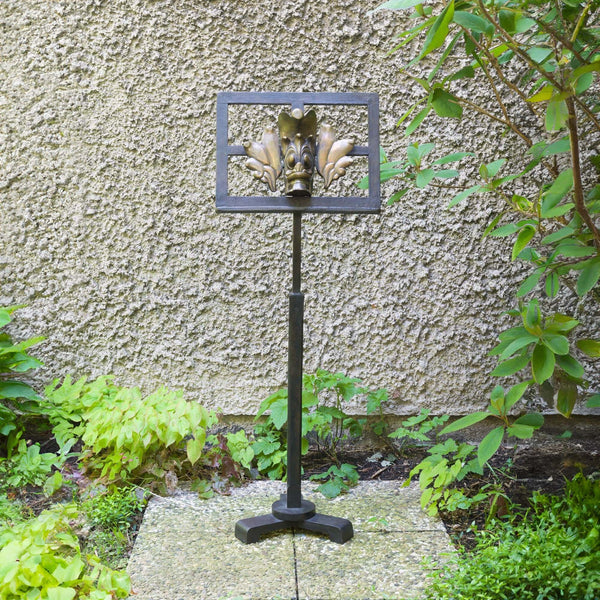
Karl Horst Hödicke
Der Geist des Dirigenten

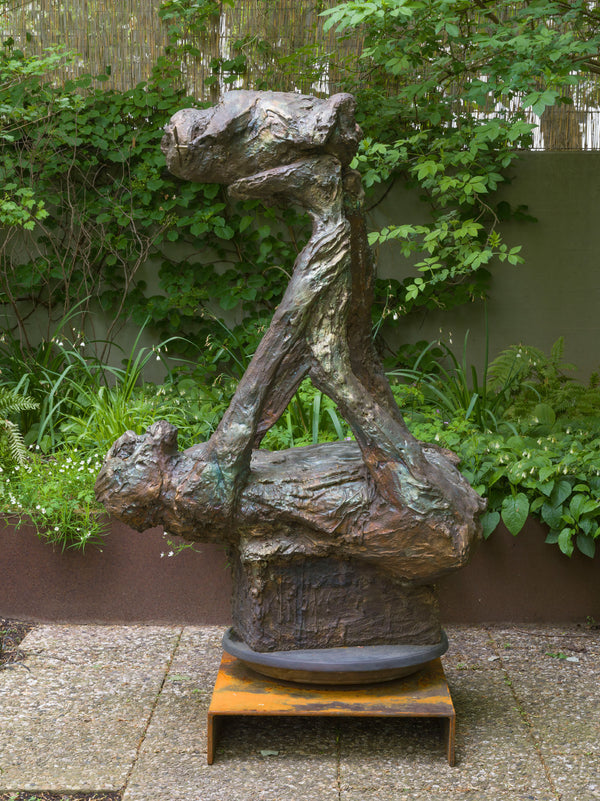
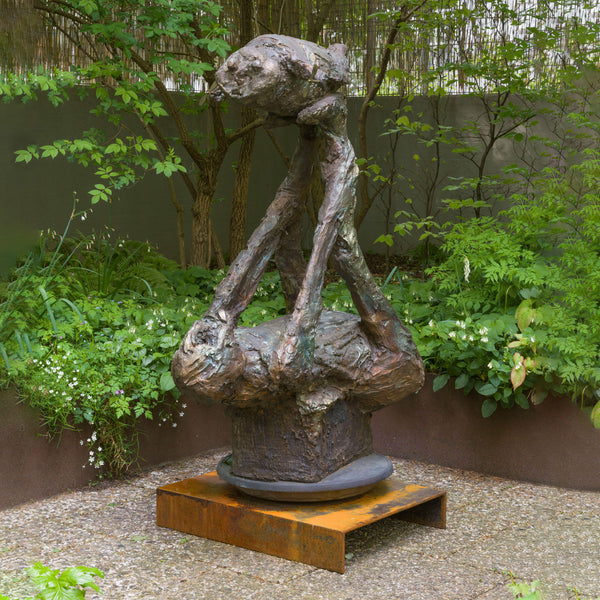
Karl Horst Hödicke
Wackelpeter


Julian Opie
Blue cigarette.


Julian Opie